
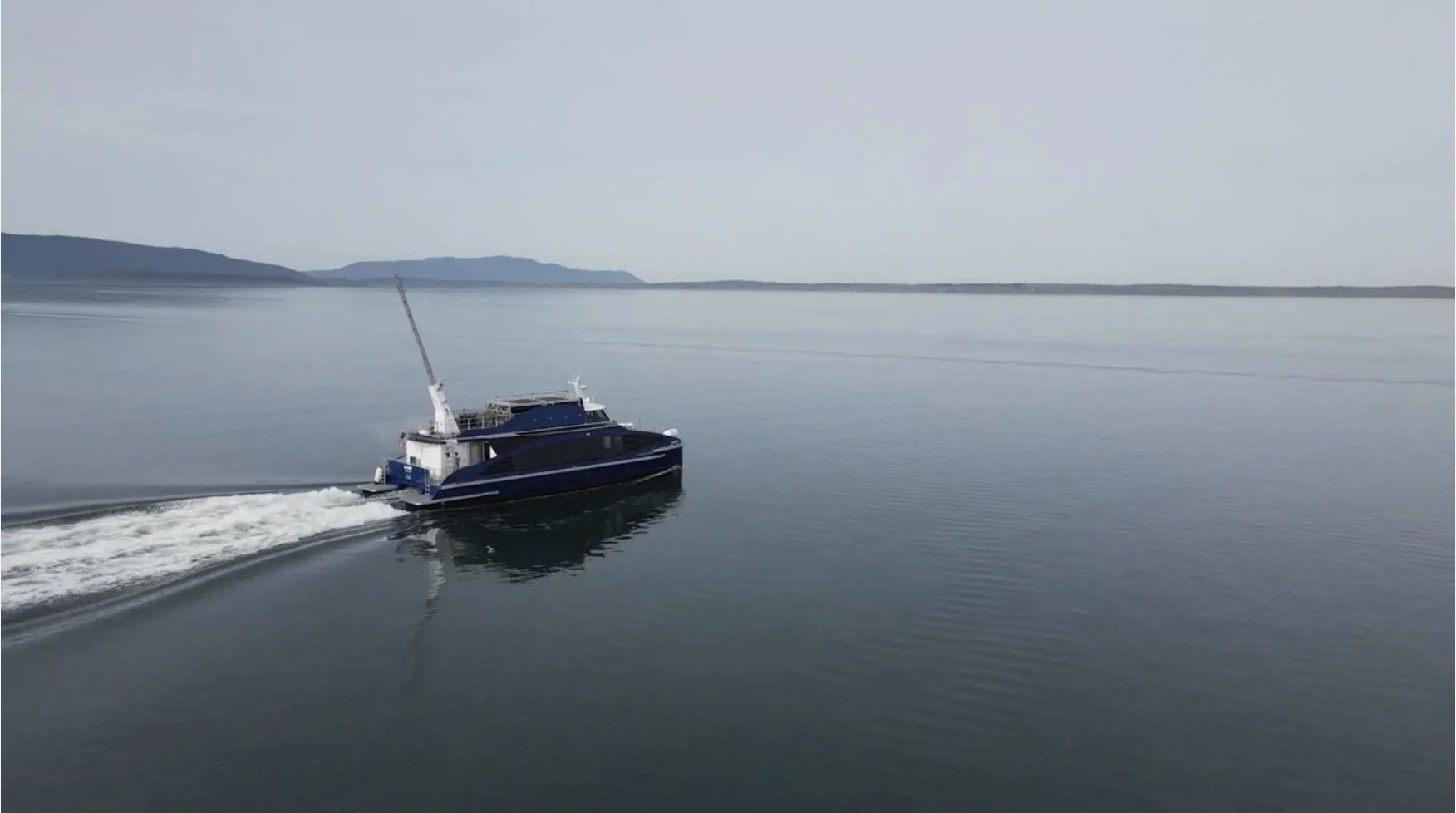
Your modern maritime fleet starts here
A hydrogen-powered fleet is within reach.
Switch Maritime delivers hydrogen fuel cell vessels end-to-end, so you can upgrade confidently.
46%
Of U.S. ferries are over 30 years old
2.9%
Of global greenhouse gas (GHG) emissions come from maritime applications
1.1
Gigatons of CO₂ emitted globally each year from fleets
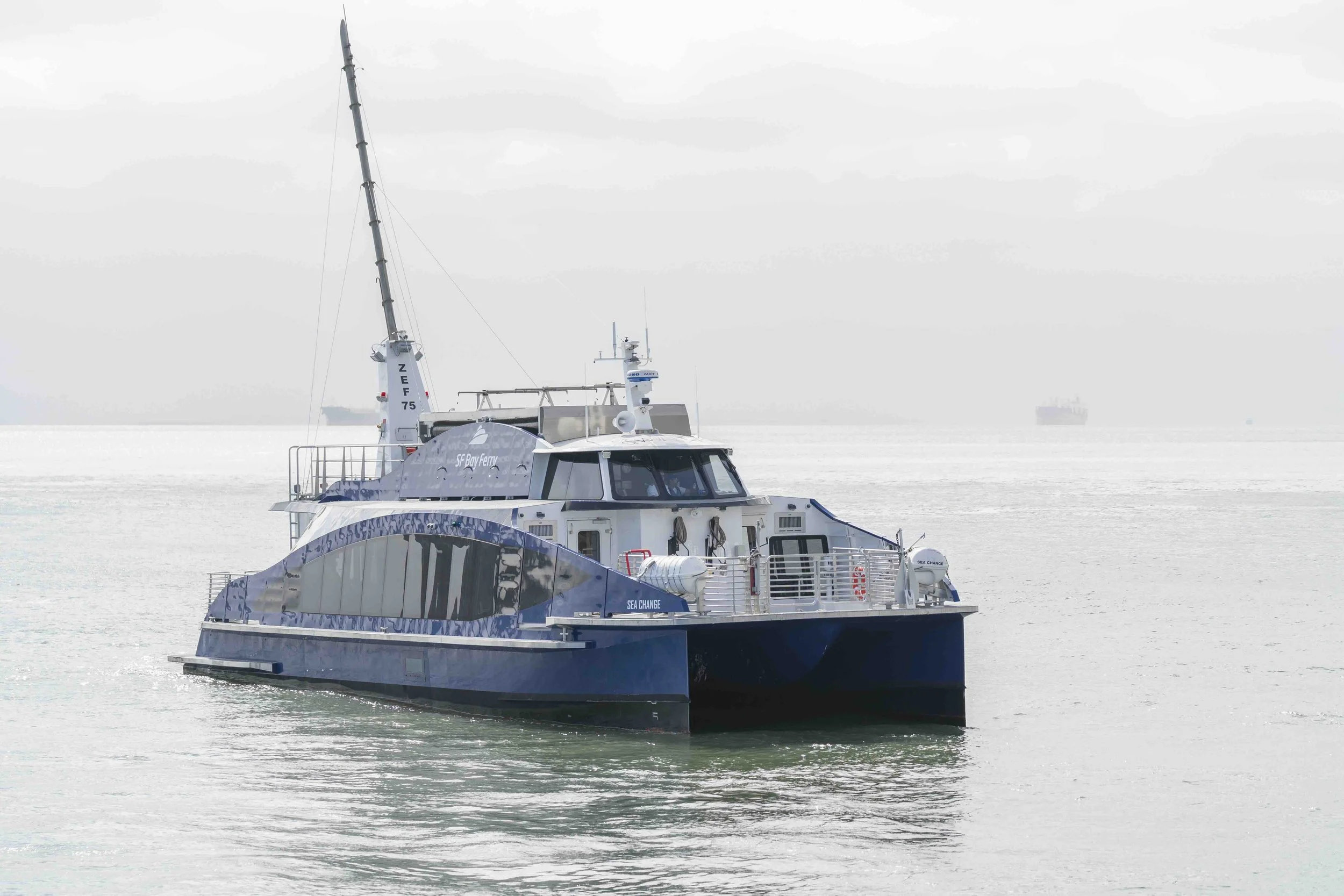
A better fleet — for operators, riders, and communities
Full-service partner
We manage the entire process — vessel design, construction, fuel supply chain, regulatory approvals, crew training, and ongoing operational support.
One partner, start to finish.
The smart
(and cost effective) choice
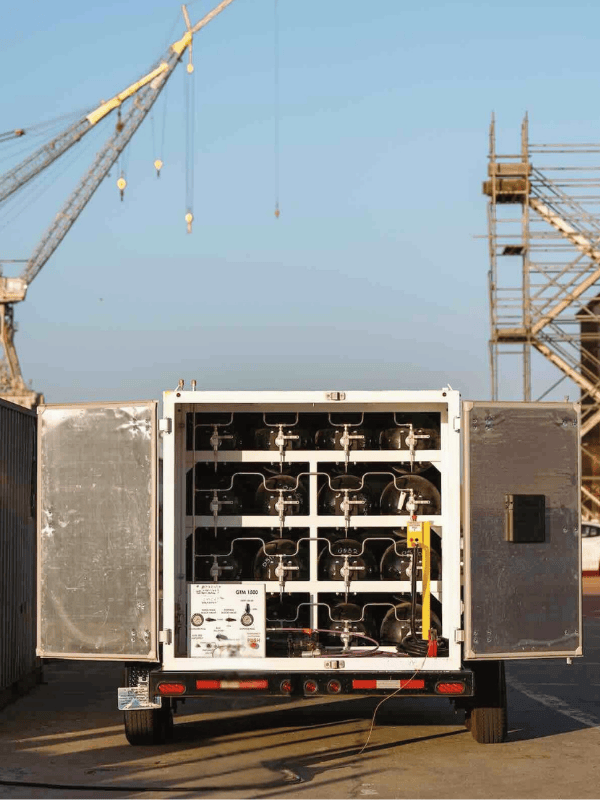
A Switch ferry gives you drop-in operations. Same routes, same crew, no complex shoreline infrastructure upgrades.
Hydrogen also has the lowest total emissions of any propulsion system, and is typically much more cost effective than a full electric approach. Plus, Switch provides flexible leasing options.
Better for everyone
Quieter rides, cleaner air, and healthier coastlines.
Hydrogen ferries are beneficial for both the passengers and the communities they serve.
Modernized maritime vessels without the compromise
Upgrading aging fleets doesn’t have to mean taking on big operational or financial risks. Switch Maritime addresses all of these so you can modernize on your terms.
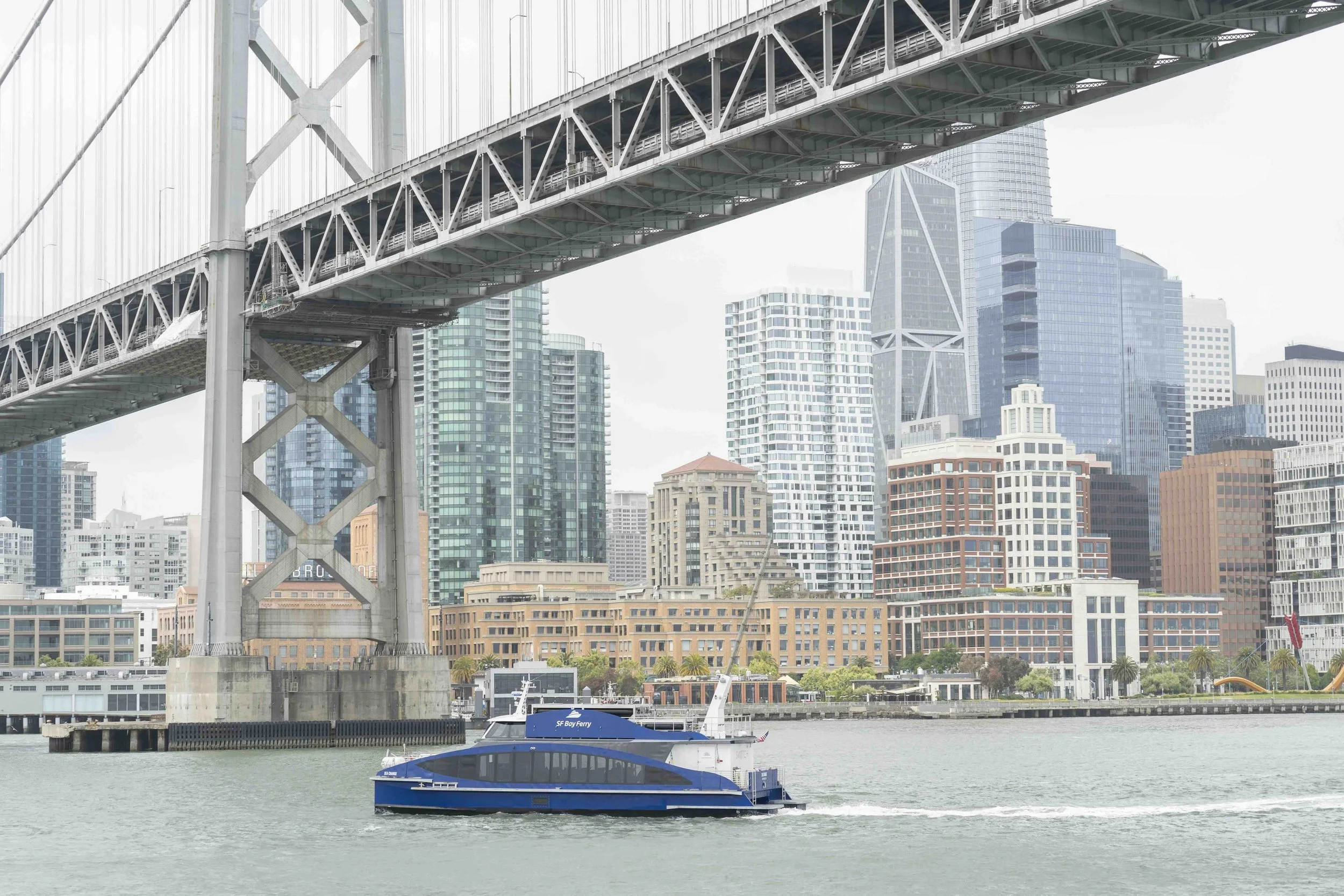
The first hydrogen fuel cell-powered ferry approved and operating in the United States.
[ OUR VESSELS ]
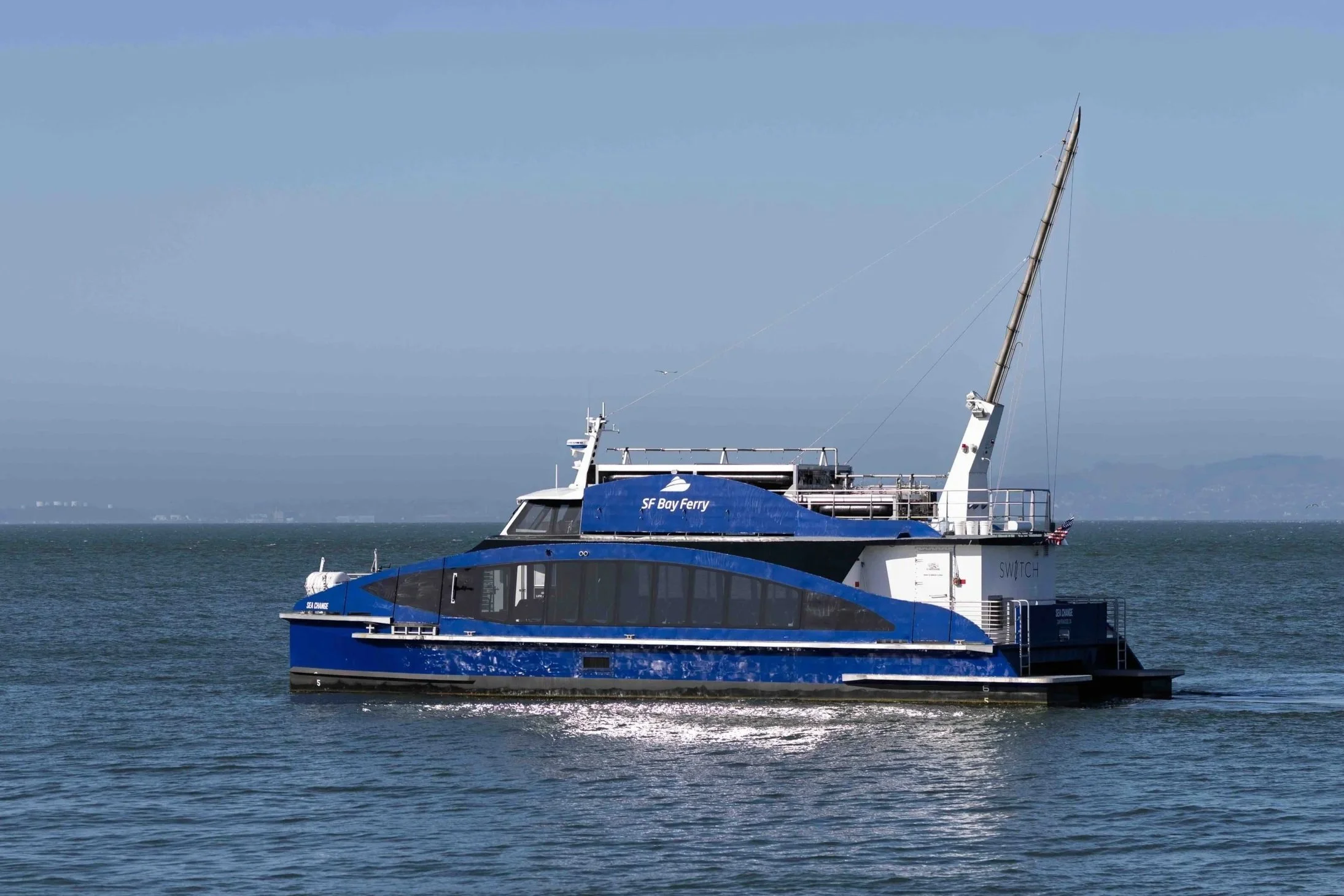
Sea Change
Five years in the making and launched in 2024 – the Sea Change is currently operational as a private charter in San Francisco, CA.
This vessel was the foundation for the additional ferry platforms we have in development today.
[ WHY HYDROGEN ]
A cleaner path forward for maritime
96% reduction in GHG emissions vs diesel operators
Hydrogen fuel cell technology delivers diesel-level performance for ferry applications — without the heavy emissions, the noise, or the ongoing regulatory pressure.
Hydrogen fuel cell ferries have
Source: KPFF | SWITCH-150 Techno-Economic Analysis Report
Ferry fleets are aging.
Operators need to plan for what’s ahead.
Let's talk about your routes, your vessels, and what a transition could look like for your operation.