
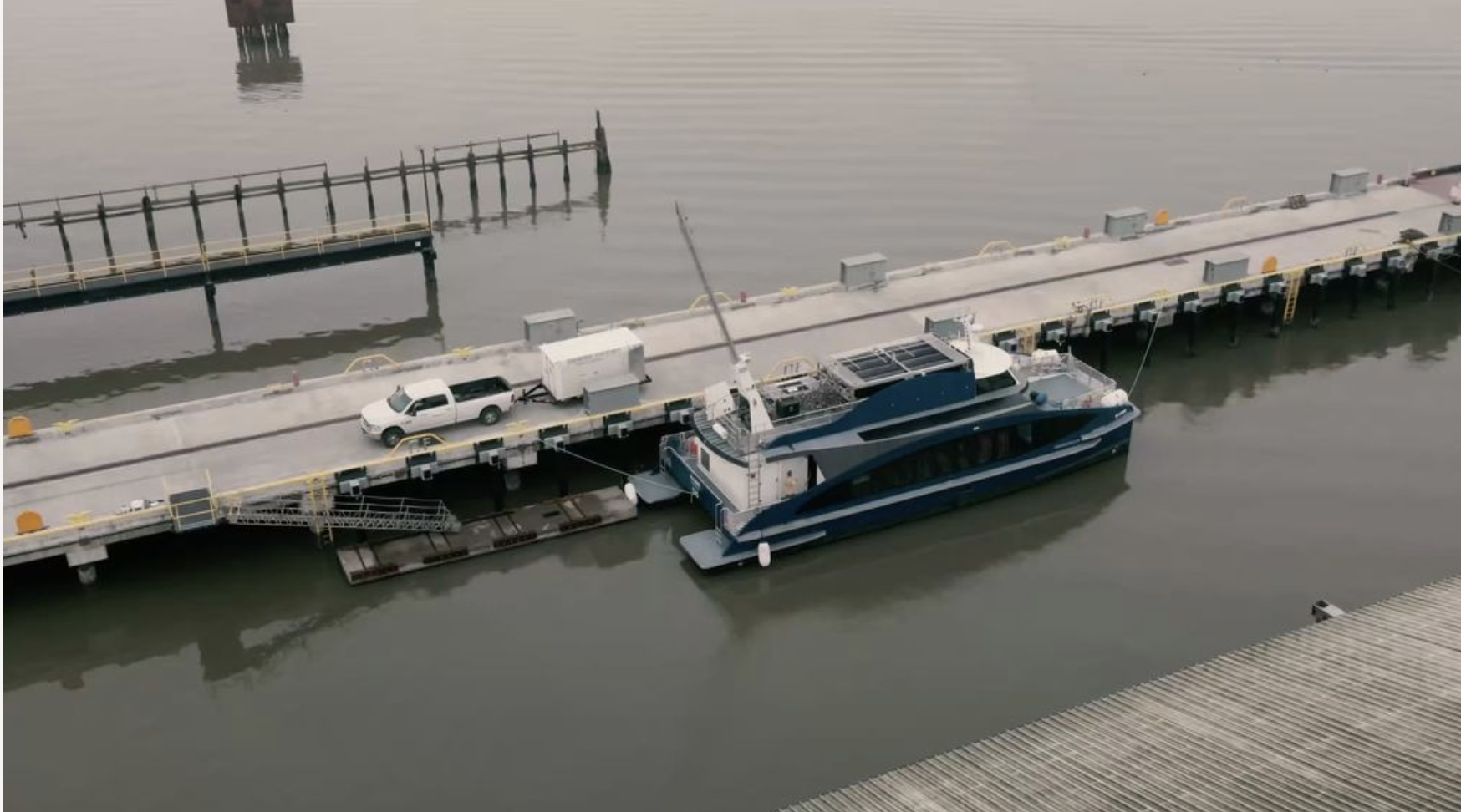
[ WHY HYDROGEN ]
The need to modernize is real, and so is the solution. Hydrogen fuel cell-electric technology lets operators decarbonize their fleets without disrupting the service they run.
How hydrogen fuel cell propulsion works for maritime vessels
Switch Maritime crafts fuel supply chains to connect supply and demand — setting you up for success in powering your vessels.
Clean power generation

01

Clean hydrogen production & storage

02
Mobile fueling equipment & delivery

03
Vessel fueling
onsite

04
Fuel cells create
electricity from stored hydrogen

05
Electric motors drive the vessel

06
96%
reduction in GHG emissions from hydrogen vs diesel
Source: KPFF | SWITCH-150 Techno-Economic Analysis ReportWe build your hydrogen supply chain from the ground up
[ HYDROGEN FUEL SUPPLY ]
-
We coordinate clean hydrogen procurement — selecting the most cost-effective and lowest-emission source available for your location.
-
We manage transportation to your fueling site, including all regulatory approvals and permitting required for hydrogen handling at your port.
-
Hydrogen is transferred to the vessel via a mobile truck and tank trailer — no permanent shoreside infrastructure required to get started.
Every Switch project includes a hydrogen fuel supply chain designed around your port, your routes, and what's available in your region.
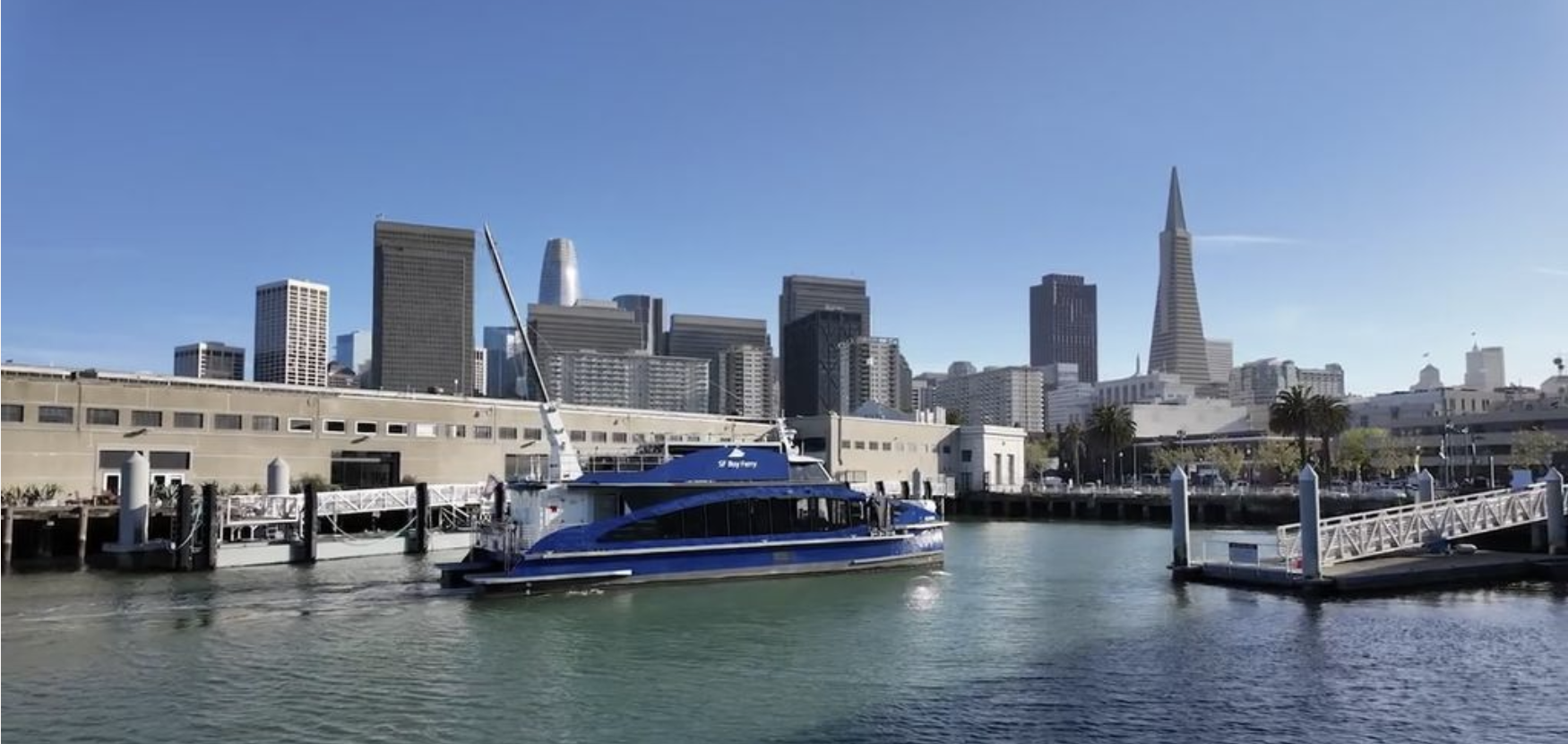
Flexible by design
Compressed gas or liquid hydrogen based on your vessel size, route demands, and regional availability. As your operation grows, we adapt.
Flexible & scalable
We pursue the lowest-carbon hydrogen source for your location, with a goal of fully renewable, locally produced clean hydrogen.
Lowest total emissions
Hydrogen costs are declining as domestic production scales. Unlike diesel, it’s not subject to global price swings — for more predictable fuel economics.
Stable, competitive fuel costs

The study looked at a variety of analysis outcomes.
-

Capital costs
-
Operating costs
-
Market readiness
-
Emissions impact
-
TCO comparison
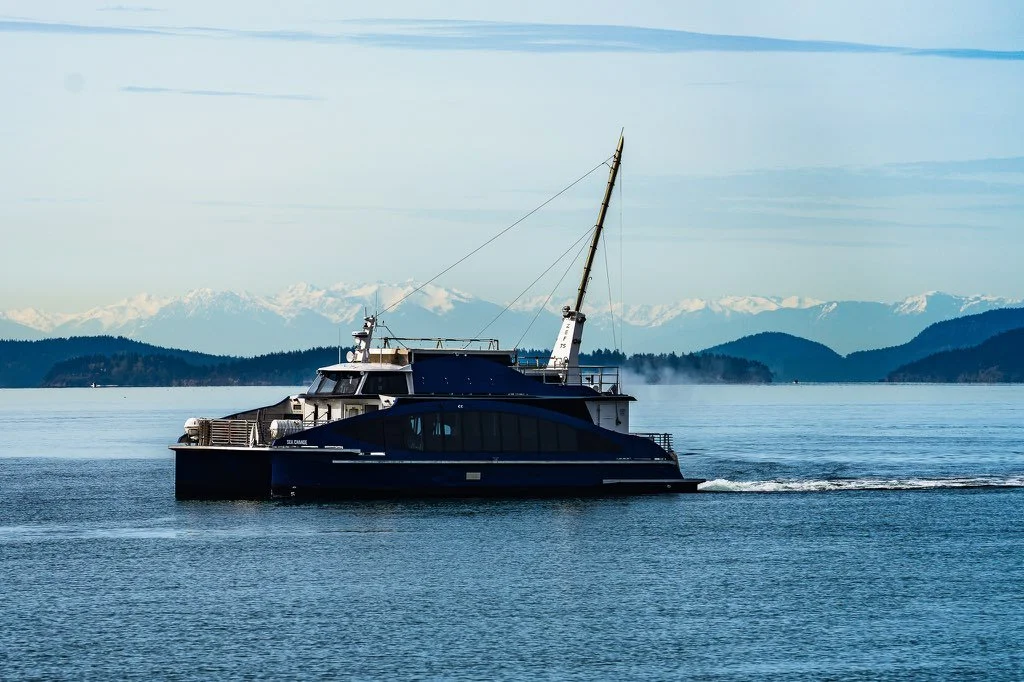
And the study found: hydrogen delivers
Same operational profile as diesel with speed, fueling cadence, and crews.
Cost parity with diesel by year 15, with significantly lower total fleet investment than battery-electric.
Lowest total emissions of any propulsion option when upstream fuel production and grid energy mix are included.
Want the full analysis?
Download the complete third party study.
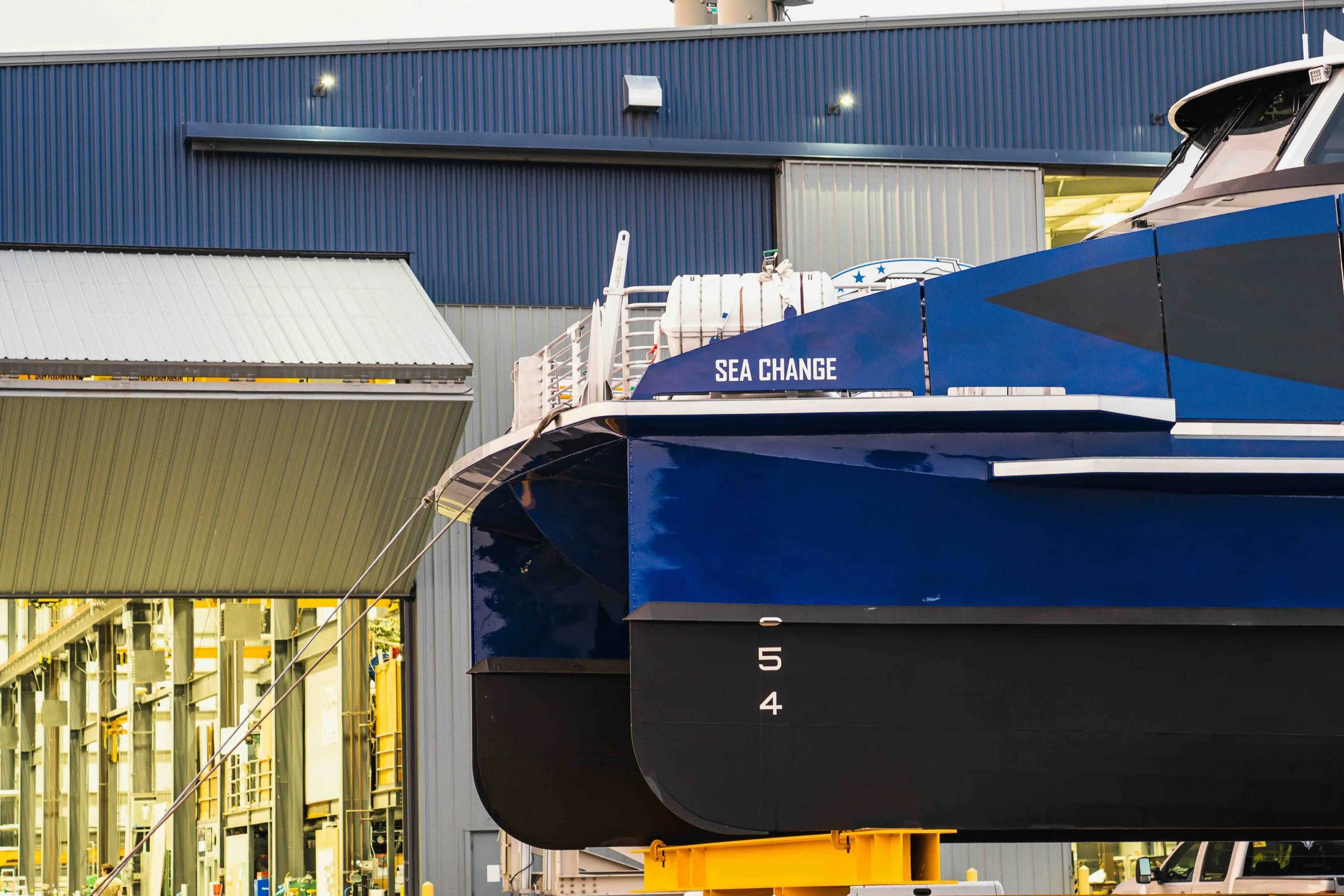
From the Sea Change – the first hydrogen ferry operating in the U.S. – to our next-gen platforms in development.